Loading player...
×

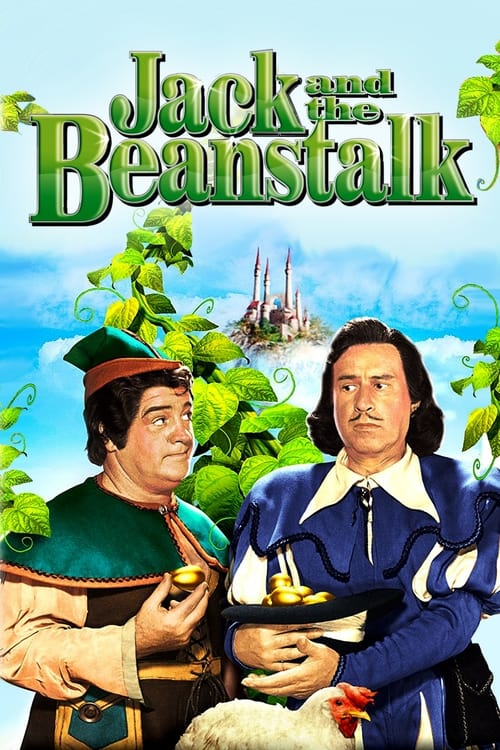
Jack and the Beanstalk
Overview
Details
Cast
Two down-on-their-luck loafers take a job babysitting, with a bedtime story of the titular tale turning into a wacky Abbott and Costello-faced musical retelling involving stolen cows, terrible giants, and the heroic boy with an opportunistic butcher in a castle above the clouds.
Jack and the Beanstalk (1952) represents a pivotal watershed in the filmography of Bud Abbott and Lou Costello, marking their first independent feature under Costello’s own Exclusive Productions and their historic debut in color. Liberating themselves from Universal’s rigid black-and-white studio template, the comedy duo embraced the innovative SuperCinecolor process. In a brilliant nod to The Wizard of Oz, director Jean Yarbrough framed the fairy tale within a sepia-toned modern reality before bursting into rich, saturated color as Jack slips into his dreamscape. This visual alchemy elevated the production beyond standard comedy fare, establishing it as a lavish, technically audacious gamble that proved the duo could command the screen as independent innovators of mid-century cinematic spectacle.
The Transformation of Vaudeville into Folklore
The film holds vital artistic importance for how seamlessly it adapted Abbott and Costello’s gritty, fast-talking burlesque mechanics to the innocent whimsy of traditional children’s literature. Rather than abandoning their trademark dynamics, the narrative organically recontextualizes them: Bud Abbott’s scheming, opportunistic straight-man archetype effortlessly morphs into the conniving Mr. Dinklepuss, while Lou Costello’s perennial childlike vulnerability finds its truest home in the character of Jack Strong. By transmuting classic vaudevillian bits—such as the bartering of the prized cow and high-stakes games of wits—into a magical confrontation with Buddy Baer’s towering Giant, the film demonstrated that the duo’s comic timing was not tied merely to urban satire, but possessed a mythic, timeless adaptability.
A Lasting Legacy in Mid-Century Popular Culture
Beyond its immediate box-office success, Jack and the Beanstalk attained enduring cultural significance through its profound afterlife on American television. Because the film entered the public domain relatively early, it was freed from the vaults of studio licensing and became an omnipresent fixture of Saturday morning broadcasts and holiday matinees for successive generations. Lou Costello championed the project largely as a personal gift to children—a gentler, musical, and fable-driven work that departed from their monster parodies. In doing so, he cemented a permanent entry in the mid-century family fantasy canon, leaving behind a film that stands as both a nostalgic touchstone of Golden Age comedy and an endearing testament to the duo’s universal appeal.
Release Date: April 7, 1952
Genres: ComedyFantasyMusic
Director: Jean Yarbrough
Language: English
Country: United States of America
IMDb: tt0044762

Bud Abbott
Mr. Dinkel / Mr. Dinkelpuss

Lou Costello
Jack / Jack Strong
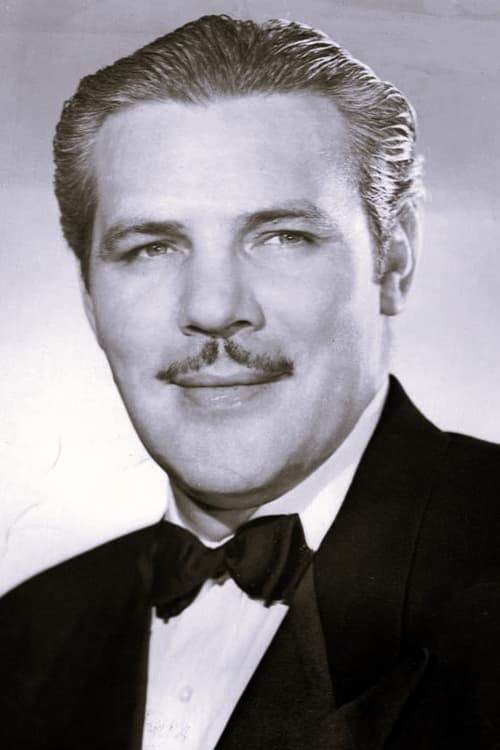
Buddy Baer
Sgt. Riley / The Giant

Dorothy Ford
Receptionist / Polly

Barbara Brown
Mrs. Strong

David Stollery
Donald Larkin

William Farnum
The King

Shaye Cogan
Eloise Larkin / Princess Eloise (Darlene)
James Alexander
Arthur / Prince Arthur / Troubador
Johnny Conrad
Dancer